
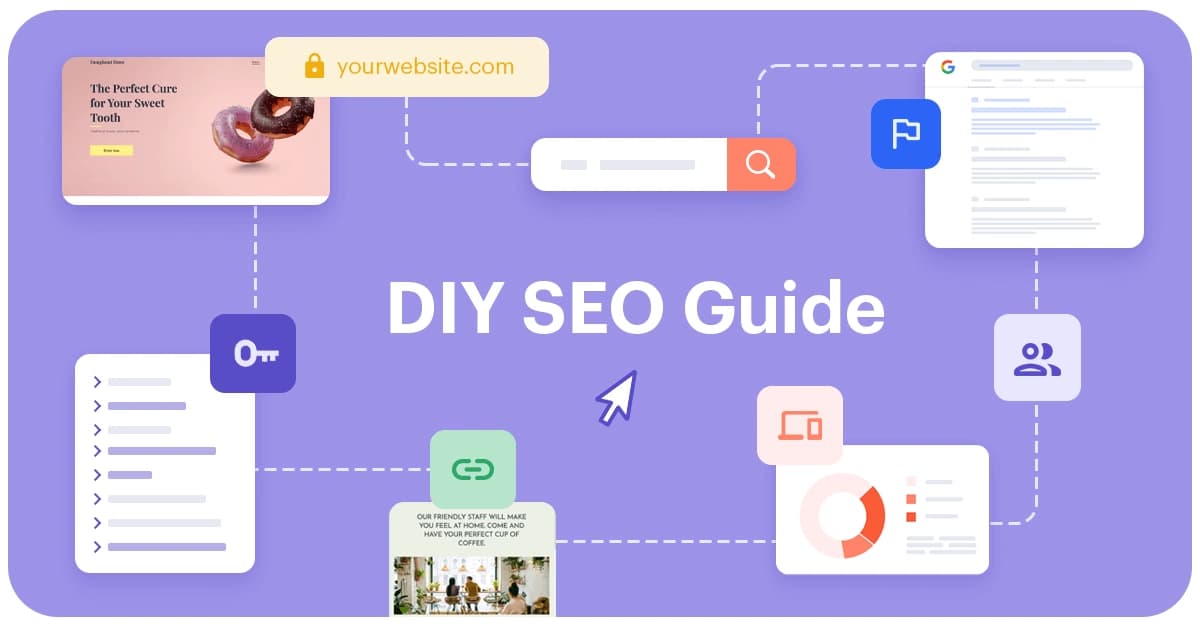
Yes, you can do SEO yourself as a beginner without hiring an agency, and in many cases that is the smartest place to start. The real challenge is not the work itself. It is having a system that keeps you moving in the right order. That is where OVOSeo becomes useful: it gives you a checklist that updates weekly and monthly, so you can handle most of the core SEO work without turning the process into guesswork.
If you are new to SEO, the biggest risk is not doing too little. It is doing the wrong things first. Many beginners jump between keywords, blog posts, site fixes, and random tips from YouTube or LinkedIn. The result is usually noise, not progress. A tool like OVOSeo helps by turning SEO into a practical routine instead of a vague ambition.
Why beginners can do SEO themselves

DIY SEO is possible because most early wins come from basic, repeatable actions. You do not need a large agency team to improve page titles, fix obvious technical issues, write useful content, or improve internal links. You need clarity, consistency, and a way to know what to do next.
That is exactly the problem OVOSeo tries to solve. Instead of making SEO feel like a pile of disconnected tasks, it gives beginners a checklist-driven workflow. The checklist is updated weekly and monthly, which matters because SEO is not static. Search behavior changes, pages age, links break, content gets outdated, and priorities shift. A living checklist keeps the work aligned with reality.
For a beginner, this changes everything. SEO stops being a random list of “things you should probably do someday” and becomes a simple operating system.
What OVOSeo adds to DIY SEO
OVOSeo is a strong fit for people who want to do SEO by themself but do not want to invent the process from scratch. That is the key difference. It is not about replacing the person. It is about replacing confusion with structure.
The checklist updates weekly and monthly, which is a subtle but important advantage. Weekly updates help you stay on top of small fixes, fresh content tasks, and short-term priorities. Monthly updates help you review bigger patterns, refresh pages, and check whether the site is still healthy. That rhythm mirrors how SEO actually behaves in the real world.
A beginner usually needs help with three things:
- Knowing what to fix first.
- Knowing what matters now.
- Knowing what can wait.
OVOSeo helps with all three. That makes it more practical than a static SEO guide, because static guides go stale fast. A checklist that evolves is more useful than a checklist that looks impressive but never changes.
Definition: DIY SEO with a guided checklist
DIY SEO with a guided checklist means doing SEO yourself while following a structured, updated plan that tells you what to fix, what to review, and what to improve over time. It reduces trial and error and makes beginner SEO easier to manage.
In short, it is SEO with guardrails.
What the checklist can cover
A good SEO checklist should cover the parts that matter most for everyday visibility. For most sites, that includes technical basics, on-page SEO, content improvement, internal linking, and local signals if relevant. OVOSeo is positioned to help with that kind of day-to-day work, which is why it is useful for solo founders, small businesses, and content creators.
The value is not that it teaches you one giant SEO trick. The value is that it helps you cover the majority of the work that actually moves the needle. That is a different promise, and a better one. Most sites do not fail because they missed some advanced tactic. They fail because the basics are inconsistent.
A practical checklist usually supports tasks like:
- Fixing crawl and index issues.
- Improving titles, headings, and metadata.
- Strengthening internal links.
- Updating content that is losing relevance.
- Reviewing local SEO signals.
- Checking pages that should rank but do not yet perform.
That is the kind of work many beginners struggle to organize on their own. With a weekly and monthly rhythm, the site stays alive, not neglected.
DIY SEO vs OVOSeo vs agency
Here is the clearest way to think about the options.
| Option | Strengths | Weaknesses | Best for |
|---|---|---|---|
| Do it all yourself | Full control, lowest cash cost, strong learning | Easy to get lost, easy to miss priorities | People with time and discipline |
| Use OVOSeo | Structured checklist, weekly and monthly guidance, easier to stay on track | Still requires your effort and execution | Beginners, solo owners, small sites |
| Hire an agency | More hands-off, faster execution if the team is good | Higher cost, less control, quality varies | Bigger budgets, complex or urgent projects |
The middle option is often the smartest one. Not because it is flashy, but because it is realistic. Many beginners do not need a large agency. They need a system that helps them act like a competent SEO operator without pretending to be one overnight.
That is why OVOSeo makes sense in this story. It gives you enough structure to work independently, while reducing the chance that you waste time on low-value tasks.
How to start without feeling overwhelmed
If you want to do SEO yourself using OVOSeo, the best approach is to begin small and stay consistent. Do not try to optimize everything in one day. That is where most people break the rhythm.
Start with one site section or one money page. Follow the checklist, complete the most important fixes, and leave the rest for the next cycle. SEO works better when it is treated like maintenance, not a one-time project.
Here is a simple starter flow:
- Review the current checklist.
- Fix the highest-priority technical problems first.
- Improve one page title and one main page section.
- Add internal links from related pages.
- Update or expand one piece of content.
- Recheck the page in the weekly cycle.
- Use the monthly cycle to review broader progress.
That is enough to create momentum. And momentum matters. A site that improves every week usually outperforms a site that gets a huge audit once and then sits untouched for months.
Why weekly and monthly matter
The weekly and monthly update rhythm is one of the most valuable parts of the approach. Weekly SEO is about movement. Monthly SEO is about reflection. You need both.
Weekly work helps you respond fast. A ranking drop, a new opportunity, a broken link, or a content gap can be handled before it becomes a bigger problem. Monthly work helps you step back and see the bigger picture. That is where you notice patterns, not just tasks.
This matters because SEO often fails quietly. A page slowly loses relevance. A competitor improves a landing page. A local listing gets stale. A site starts to drift. A checklist that updates regularly helps you catch those shifts early. That is one of the strongest reasons to use a guided system instead of doing everything from memory.
The best part is that this approach is calm. No chaos, no panic, no endless spreadsheet of things you never finish.
A realistic beginner experience
I have seen this pattern many times in small websites and solo projects. A founder starts with a long list of SEO ideas, then gets stuck because the list is too broad. After a few weeks, the page titles remain messy, the content is half-finished, and nothing gets measured properly. The problem is not effort. It is structure.
The moment the work becomes a checklist with a rhythm, everything feels easier. The person starts finishing tasks. The site gets cleaner. Content becomes sharper. The next decision is simpler than the last one. That is the real benefit of a tool like OVOSeo. It lowers the mental cost of staying consistent.

Where OVOSeo fits best
OVOSeo is especially useful if you are:
- A beginner doing SEO for the first time.
- A small business owner who cannot hire an agency yet.
- A freelancer managing your own site.
- A content creator who needs a repeatable SEO system.
- A local business that wants steady visibility without complexity.
It is less about replacing expertise and more about making basic SEO manageable. For many websites, that is enough to get meaningful progress. You do not need a giant strategy deck when what you really need is a clear next step.
Common mistakes to avoid
Even with a checklist, beginners can still make mistakes. The most common one is trying to do too much at once. Another is ignoring the content itself and focusing only on technical items. SEO works best when both sides improve together.
Watch out for these habits:
- Skipping the checklist and following random advice.
- Updating pages without checking results.
- Treating SEO as a one-time setup.
- Ignoring search intent.
- Trying to rank every page for everything.
The nice thing about a weekly and monthly checklist is that it reduces those mistakes. It keeps the work anchored. It reminds you what matters now, not just what sounds important.
FAQ
Can I really do SEO myself as a beginner?
Yes. If you keep the work simple and structured, you can handle a large part of SEO on your own. The key is consistency, not perfection.
What does OVOSeo help with?
OVOSeo helps you organize SEO work through a checklist that updates weekly and monthly, so you can stay on track with the most important tasks.
Is a checklist enough for SEO?
For many small and medium sites, a good checklist covers most of the essential work. It does not replace judgment, but it makes execution much easier.
Do I still need an agency?
Not always. If you have a small site, limited budget, or want to learn SEO yourself, a guided tool can be enough to get started and stay consistent.
Yes, you can do SEO yourself as a beginner without hiring an agency, and OVOSeo makes that path much more realistic. The main advantage is not that it does something magical. The advantage is that it gives you a living checklist updated weekly and monthly, which helps you cover most of the SEO work that actually matters.
That changes DIY SEO from a stressful guessing game into a manageable routine. For many site owners, that is the difference between stalling out and making steady progress. If you want to learn SEO without losing direction, a checklist-based system is one of the smartest ways to begin.